




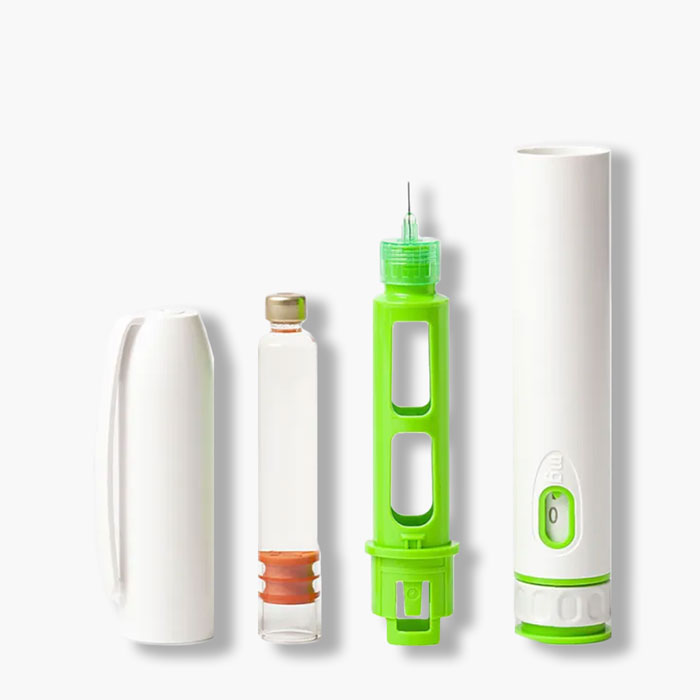
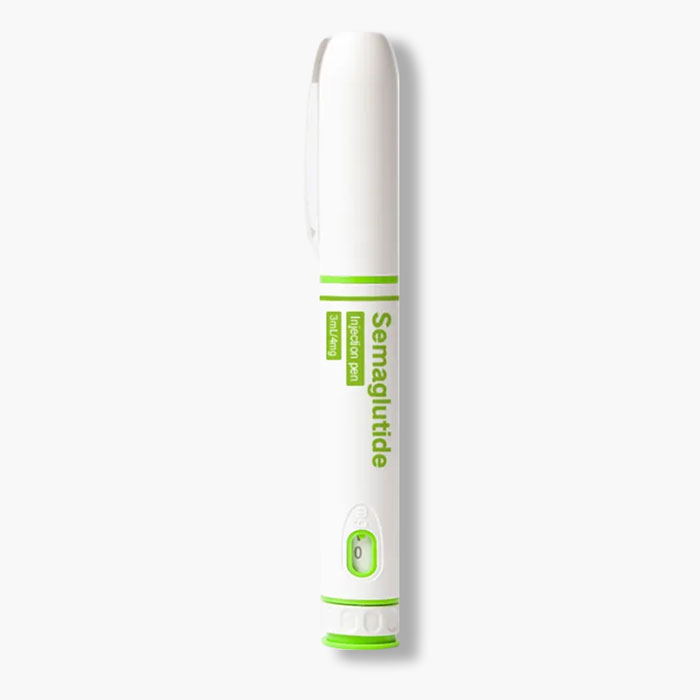
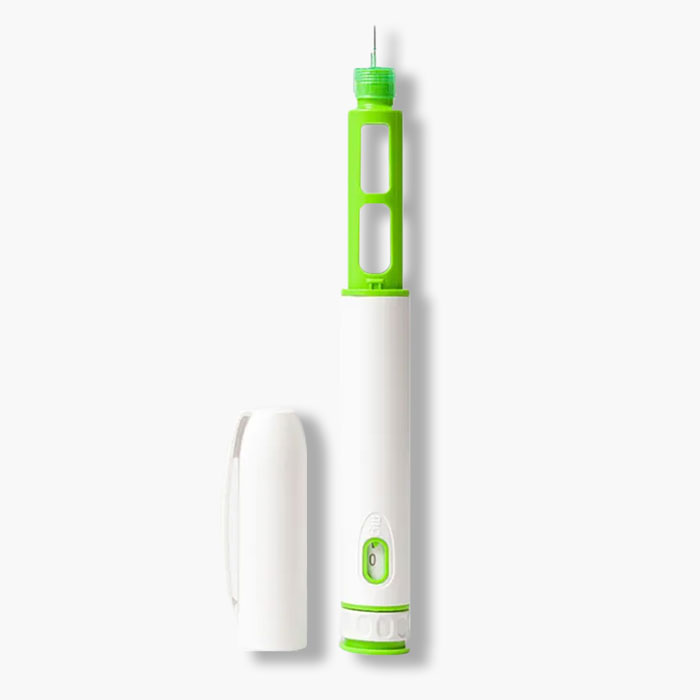
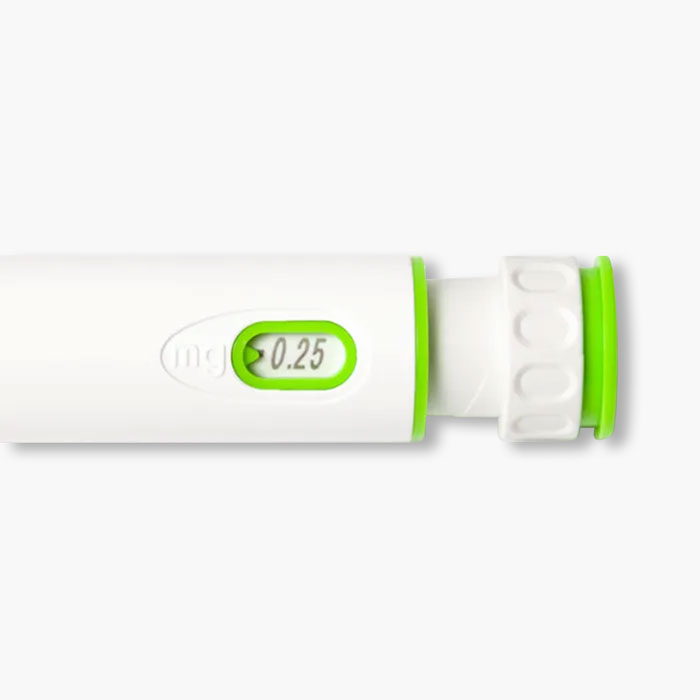
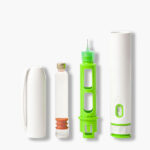
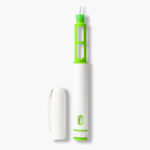
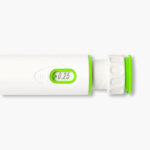
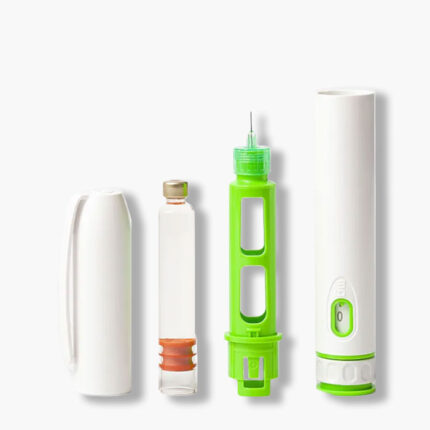
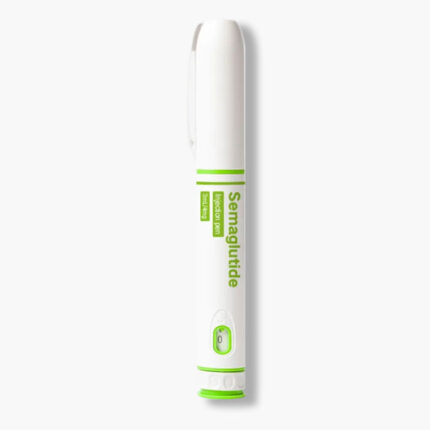
The same Semaglutide you know and love but premixed and read to shoot. Comes with 4 screw on 33g needles. Can adjust dosage from 0-1.0mg per shot.
Has total of 4mg dosage of Semaglutide mixed into 3mls of solution.
Semaglutide belongs to a class of medications known as glucagon-like peptide-1 receptor agonists, or GLP-1 RAs. It mimics the GLP-1 hormone, released in the gut in response to eating.
One role of GLP-1 is to prompt the body to produce more insulin, which reduces blood sugar (glucose). For that reason, health care providers have used semaglutide for more than 15 years to treat Type 2 diabetes.
But GLP-1 in higher amounts also interacts with the parts of the brain that suppress your appetite and signal you to feel full. When used in conjunction with diet and exercise, it can cause significant weight loss — and a reduced risk of cancer, diabetes and heart disease — in people who are obese or overweight.
Effects
Semaglutide works to lower high blood sugar by increasing the amount of insulin that is released, lowering the amount of glucagon released and by delaying gastric emptying. Semaglutide also controls appetite and so helps you reduce the amount of food that you want to eat. Semaglutide is a glucagon-like peptide-1 (GLP-1) agonist
An early study of 2,000 obese adults compared people using semaglutide plus a diet and exercise program with people who made the same lifestyle changes without semaglutide. After 68 weeks, half of the participants using semaglutide lost 15% of their body weight, and nearly a third lost 20%. Participants who incorporated only lifestyle changes lost about 2.4% of their weight.
Since then, additional studies have shown similar results. But they’ve also revealed that participants tend to regain the weight lost when they stop taking semaglutide.
“The fundamentals of obesity management will always be changes to diet and exercise,” Dr. Surampudi says. “But having anti-obesity medications is another tool in the toolbox — depending on the person’s clinical history.”
Doses
Initiate with a dose of 0.25 mg injected subcutaneously once-weekly and follow the dose escalation schedule below to minimize gastrointestinal adverse reactions
- Week 1 to week 4: 0.25mg weekly
- Week 5 to week 8: 0.5mg weekly
- Week 9 to week 12: 1mg weekly
- Week 13 to week 16: 1.7mg weekly
- Week 17 onwards: 2.4mg weekly
If patients do not tolerate a dose during dose escalation, consider delaying dose escalation for 4 weeks
The maintenance dose of Wegovy is 2.4 mg injected subcutaneously once-weekly.
Cycles
If patients do not tolerate a dose during dose escalation, consider delaying dose escalation for 4 weeks.
The maintenance dose is 2.4 mg injected subcutaneously once-weekly.
If patients do not tolerate the maintenance 2.4 mg once-weekly dose, the dose can be temporarily decreased to 1.7 mg once-weekly, for a maximum of 4 weeks.
After 4 weeks, increase to the maintenance dose of 2.4 mg once-weekly.
Discontinue if the patient cannot tolerate the 2.4 mg dose.
In patients with type 2 diabetes, monitor blood glucose prior to starting and during treatment.


Reviews
There are no reviews yet.