




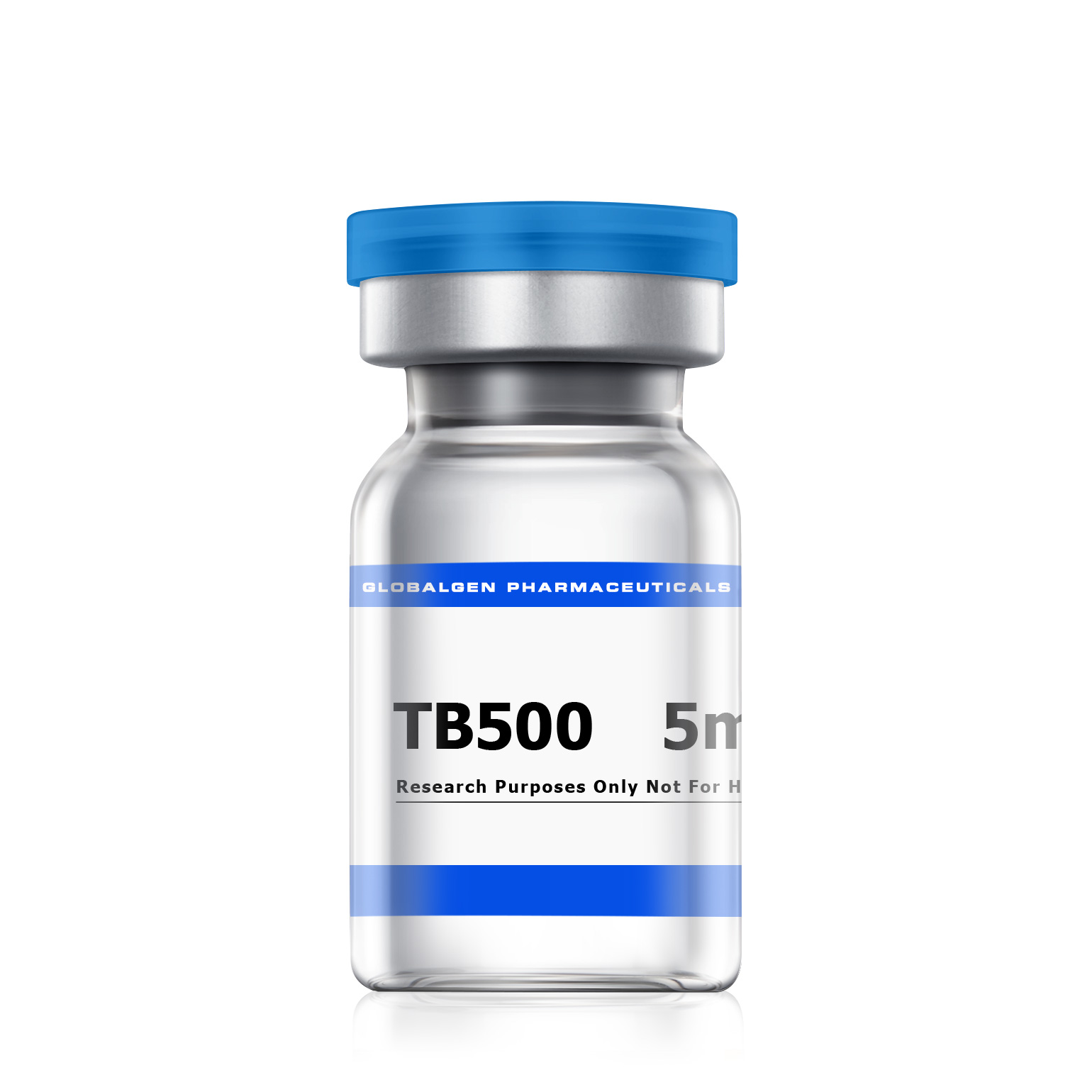
Thymosin Beta-4 is a 43 amino acid peptide sequence. In animal models, Thymosin Beta-4 has been shown to improve blood vessel growth, regulate wound healing, decrease inflammation, and reduce oxidative damage in the heart and central nervous system. Thymosin-beta-4 has a role in protection, tissue repair, regeneration and remodeling of injured or damaged tissues. It is also of active interest in anti-aging research.
TB-500 is a synthetic alternative to Thymosin Beta-4 (TB4). Thymosin Beta-4 is a naturally occurring healing protein found in all humans and mammals. TB4 carries out many important functions yet much remains to learn about the peptide. For now, researchers have found the peptide may treat a variety of autoimmune diseases, infections, and traumatic brain injuries. Moreover, TB-500 is associated with rapid healing and recovery from wounds and injuries. TB-500 generally supports other peptides and SARMs seeking to develop lean muscle and improve muscle mass.
The ability to recover quickly post-workout ensures that the hard work at the gym will continue to pay off. As such, TB-500 is becoming a more noteworthy and safer alternative compared to other performance-enhancing supplements.
The peptide does not produce any dangerous side effects and is therefore deemed a safer alternative to anabolic steroids. Instead, TB-500 repairs damaged tissue and promotes new muscle growth. Additionally, the peptide reduces swelling (inflammation) and supports the immune system. TB-500 features other anti-aging benefits including improved flexibility, bone health, and blood circulation.
Nevertheless, the peptide (like BPC 157) is not currently regulated by the FDA. Therefore, use remains designated for research or experimental purposes.
Effects
There are numerous health benefits to consider with TB-500. The feature enormous potential based on a couple of decades of research. However, exercise caution since the synthetic variants have not been fully examined in humans. Still, the initial research is encouraging and suggests that TB-500 deliver the following benefits:
- Rapid Healing & Recovery
- Heal Faster From Serious Injuries
- Recover Faster Post-Workout
- Improve Metabolism & Immune System
- Treats Gastrointestinal Disorders / Health Issues
The initial discoveries suggest there is still much to learn about peptides like TB-500. Peptides feature many anti-aging properties that could help treat certain skin conditions, cardiovascular diseases, and gastrointestinal problems. In the past, those with Irritable Bowel Syndrome (IBS) and Chron's Disease have noticed relief using peptides like TB-500. Additionally, the antioxidant properties and improved blood vessels promote a healthy immune system.
Doses
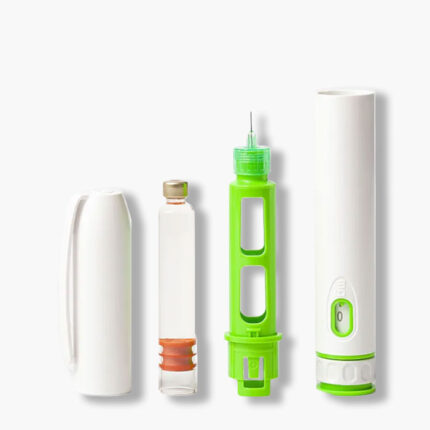
To get the full benefit from TB 500, you need to take it as an injection. You can do it yourself in some cases, or you can get a medical professional to do it if that’s more comfortable for you.
Your TB 500 dosage can vary depending on different factors. You should start with small doses so your body can get accustomed to it.
Many times, the initial dosing with the TB 500 peptide will be between four and ten milligrams. You can take it one to two times per week when you start. You may eve see TB 500 benefits after that initial dose.
You will need to make sure you have the guidance of a medical professional. These are experts and can supervise the TB 500 dosage to make sure you get the proper amount. The dose you get will depend on your injury and how fast it heals.
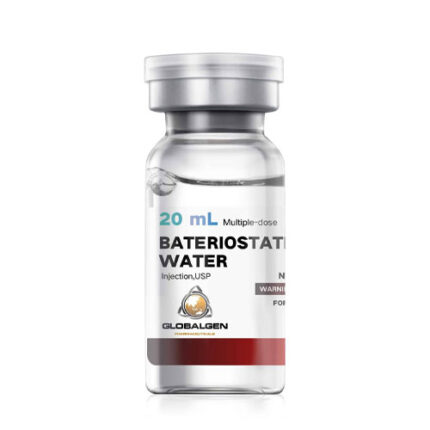
You do need to know that you must reconstitute the TB 500 to take it. That means you will need to add water or saline to mix it up for use. You’ll need a syringe that’s like the kind you use for insulin.
After filling the syringe, you’ll inject one millimeter into the TB 500. Make sure you take your time when injecting the water and let it slide down the side of the bottle.
Cycles
Dosages for TB500 can range from 5 mg to 20 mg per week, administered via subcutaneous or intramuscular injections, divided into 2-3 injections per week. After the first 1-2 weeks, the dosage is typically lowered to a maintenance dose, approximately half of the original weekly dose, and administered once a week thereafter.


Reviews
There are no reviews yet.